
Sciatica Pain: Common Causes, Warning Signs, and Effective Relief Options That Truly Help

Sciatica pain is one of those conditions people often ignore—until it starts interfering with daily life. It may begin as mild lower back discomfort, but over time, it can turn into sharp, shooting pain that travels down the leg, making sitting, standing, or even sleeping uncomfortable.
Many people assume sciatica happens suddenly, but in reality, it usually develops slowly due to repeated stress on the spine and surrounding muscles. Understanding why sciatica occurs, recognizing the early warning signs, and choosing the right treatment approach can make a huge difference in recovery.
This guide breaks down the real causes of sciatica pain, the most effective professional treatments, practical home remedies, and clear do’s and don’ts to prevent flare-ups.
What Exactly Is Sciatica Pain?
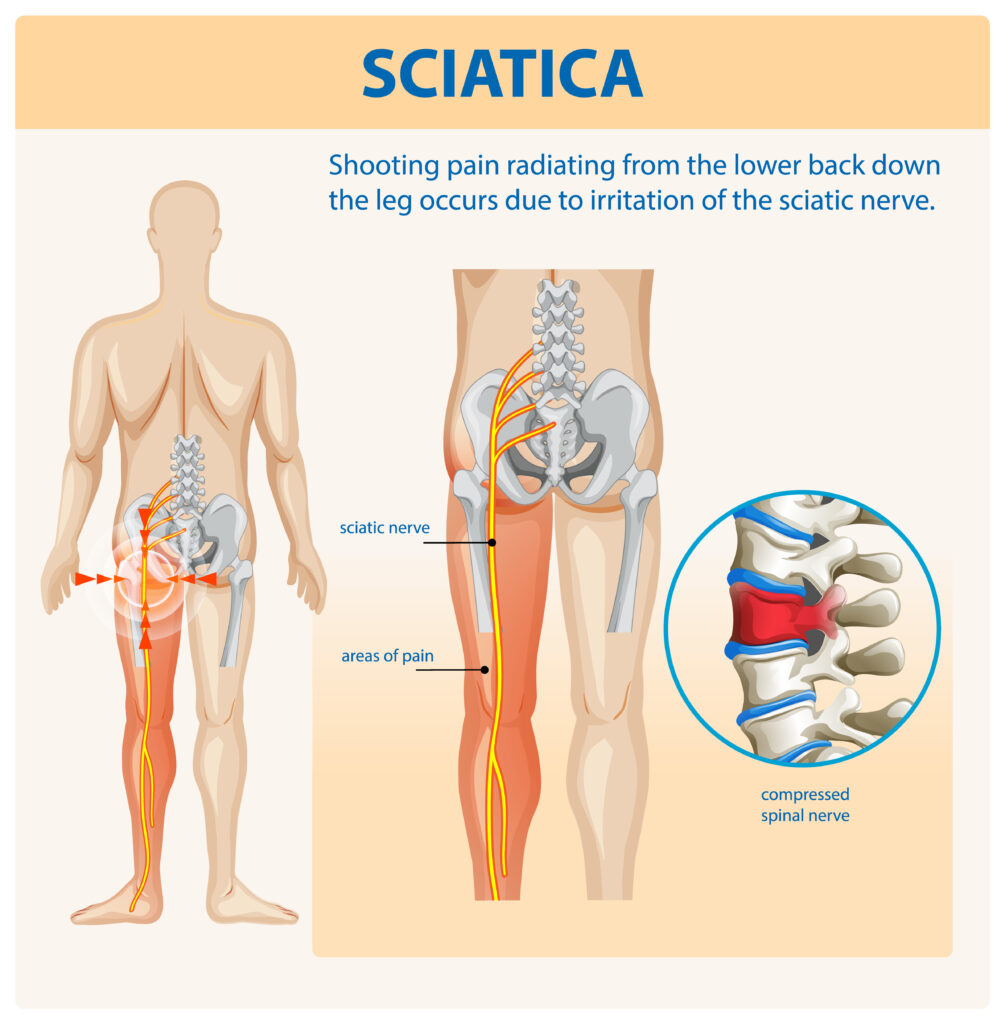
Sciatica refers to pain caused by irritation or compression of the sciatic nerve, the longest nerve in the human body. This nerve starts in the lower spine, passes through the hips and buttocks, and runs down each leg.
When the nerve becomes compressed or inflamed, pain may radiate along its path, rather than staying in one place. This is why sciatica often feels more intense than ordinary back pain.
Common symptoms include:
- Pain radiating from the lower back to the leg
- Tingling or numbness in the leg or foot
- Burning or electric-like sensations
- Weakness in the affected leg
- Pain that worsens with prolonged sitting
Common Reasons for Getting Sciatica Pain
Sciatica pain doesn’t usually have a single cause. It’s often the result of multiple physical stressors affecting the spine and surrounding tissues.
1. Herniated or Bulging Disc
One of the most common causes of sciatica is a disc pressing on the sciatic nerve. Even slight disc bulges can irritate the nerve over time.
2. Poor Posture and Prolonged Sitting
Slouching, forward-head posture, and long sitting hours increase pressure on the lower spine, gradually compressing the nerve.
3. Muscle Tightness and Imbalance
Tight hip muscles, especially the piriformis muscle, can squeeze the sciatic nerve, leading to pain known as piriformis syndrome.
4. Weak Core and Back Muscles
When core muscles are weak, the lower back absorbs more stress than it should, increasing the risk of nerve compression.
5. Improper Lifting Techniques
Bending from the waist instead of the hips places sudden strain on spinal discs and nerves.
6. Sedentary Lifestyle
Lack of regular movement reduces flexibility, blood circulation, and spinal stability—creating the perfect environment for sciatica pain.
Professional Treatment Options for Sciatica Pain
If pain persists or becomes severe, professional guidance can prevent long-term damage.
1. Physiotherapy
Physiotherapists focus on:
- Correcting posture
- Strengthening core and back muscles
- Improving flexibility
- Teaching safe movement patterns
Targeted therapy often provides long-term relief rather than temporary pain suppression.
2. Medical Evaluation
Doctors may recommend imaging tests like MRI or X-ray to identify disc or nerve issues if symptoms are severe or persistent.
3. Pain Management Techniques
In some cases, short-term medications or injections may be used to reduce inflammation and allow movement-based recovery.
4. Chiropractic or Manual Therapy
When performed by trained professionals, spinal mobilization may help relieve nerve pressure and improve alignment.
Professional treatment is especially important when pain affects daily activities or continues despite home care.
Effective Home Remedies for Sciatica Relief
Home remedies play a major role in managing and preventing sciatica pain when practiced consistently.
1. Gentle Stretching
Stretching the hips, hamstrings, and lower back helps reduce nerve compression. Movements should be slow and pain-free.
2. Heat and Cold Therapy
- Cold packs help reduce inflammation during acute pain
- Heat therapy relaxes tight muscles and improves circulation
Alternate based on comfort.
3. Walking and Light Activity
Short walks encourage blood flow and reduce stiffness without stressing the spine.
4. Posture Correction
Using lumbar support while sitting and keeping screens at eye level can significantly reduce pressure on the lower back.
5. Sleep Position Adjustment
Sleeping on the side with a pillow between the knees or on the back with knee support helps maintain spinal alignment.
According to Mayo Clinic, proper medical diagnosis and treatment for sciatica can help prevent long-term nerve damage.
Do’s and Don’ts for Managing Sciatica Pain
✅ Do’s
- Maintain proper posture while sitting and standing
- Take short movement breaks every 30–45 minutes
- Strengthen core and glute muscles gradually
- Use supportive footwear
- Stay consistent with gentle daily movement
❌ Don’ts
- Avoid prolonged bed rest
- Don’t lift heavy objects incorrectly
- Avoid sudden twisting movements
- Don’t ignore recurring pain signals
- Avoid sleeping on the stomach
When Sciatica Needs Immediate Attention
Seek medical help if:
- Pain worsens over time
- Numbness or weakness increases
- Pain spreads rapidly down the leg
- Bowel or bladder control is affected
Early intervention prevents long-term nerve damage.
Final Thoughts
Sciatica pain can feel overwhelming, but it is often manageable with the right combination of awareness, movement, and support. Rather than relying only on quick pain relief, focusing on long-term spinal health brings lasting improvement.
At everydayhealthfix.com, the goal is simple—help you understand your body better and make practical changes that support everyday health. With consistent care, sciatica pain doesn’t have to control your life.
Disclaimer
The information provided in this article is for educational and informational purposes only and is not intended as medical advice. It should not be used as a substitute for professional diagnosis, treatment, or guidance from a qualified healthcare provider.
Always consult a doctor, physiotherapist, or licensed medical professional before starting any exercise, treatment, or home remedy, especially if you have persistent pain, underlying health conditions, or worsening symptoms. The author and everydayhealthfix.com are not responsible for any injury, loss, or damage resulting from the use of information shared on this website.
If you experience severe pain, numbness, weakness, or loss of bowel or bladder control, seek immediate medical attention.
You can also check my another blog about – 10-Minute Desk Job Workout You Can Do Without Leaving Your Chair